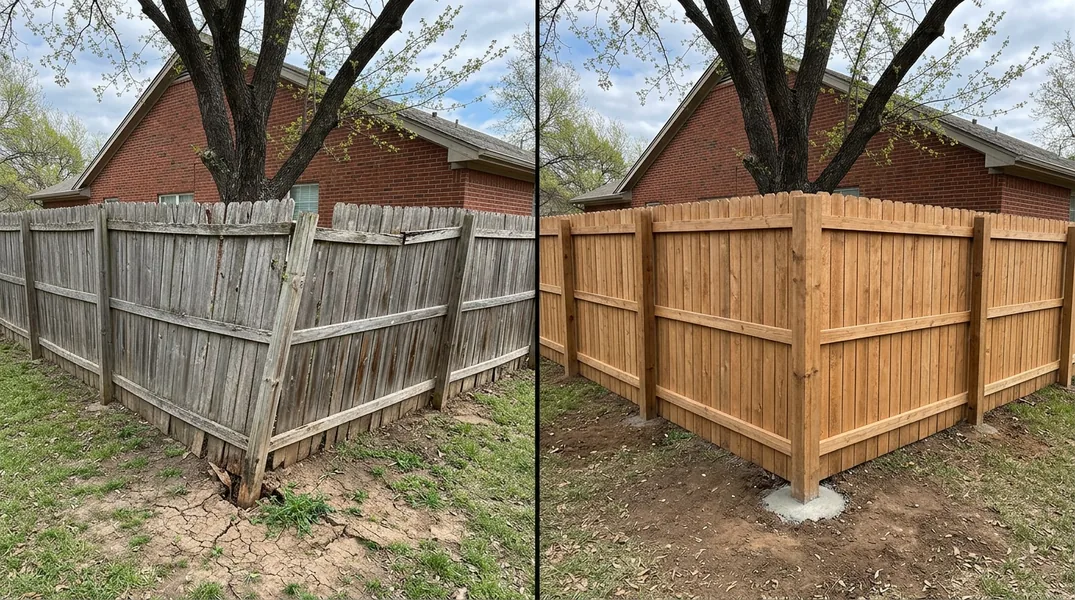
Understanding Dallas Clay Soil and Fence Post Movement
If you've driven through Dallas neighborhoods, you've probably noticed fences that seem to lean or shift over time. This isn't a sign of poor installation, but rather a natural consequence of the region's unique soil composition. The Houston Black Clay that extends into the Dallas area is highly expansive, meaning it swells dramatically when wet and shrinks significantly when dry. This constant movement creates stress on fence posts, causing them to shift, settle unevenly, and sometimes lean noticeably.
The problem becomes especially apparent during Dallas's seasonal weather patterns. Heavy spring rains saturate the clay, causing it to expand and push against fence posts. Then, during hot, dry summers, the clay contracts and pulls away from the posts, creating voids. This freeze-thaw cycle, though less extreme than in northern climates, still causes significant movement. Over several years of this expansion and contraction, even the most professionally installed fence posts can begin to lean or tilt. Understanding this geological reality is the first step in planning a fence that will remain stable and attractive for decades.
Do I Need a Permit for a Fence in Dallas?
Before you invest in a new fence, one of the most important questions to answer is whether you need a permit. The short answer is yes, most residential fence projects in Dallas require a permit from the city. This isn't bureaucratic red tape; it's a protection for you and your neighbors. A permit ensures that your fence meets local building codes, respects property lines, and complies with setback requirements. When you obtain a free estimate from Dallas Fencing, we can walk you through the entire permit process and help you understand what's required for your specific project.
The permit application process typically involves submitting a site plan, property survey, and details about your fence design and materials. The city reviews these documents to ensure compliance with zoning laws and building standards. While this might seem time-consuming, it protects your investment and prevents costly disputes with neighbors or the city later. Some homeowners attempt to skip this step, but doing so can result in fines, forced removal of the fence, or legal complications when selling your property. Dallas Fencing handles the permit coordination for our customers, making the process seamless and stress-free.
Fence Height Regulations and HOA Approved Fence Standards
One of the most frequently asked questions we receive at Dallas Fencing involves fence height restrictions. In Dallas, residential fence height regulations typically allow fences up to 6 feet in rear yards and 4 feet in front yards, though these rules can vary by neighborhood and zoning district. If you're planning a Wood & Privacy Fence Installation, understanding these regulations is critical. Privacy fences are popular because they provide security and seclusion, but they must still comply with local height ordinances. Exceeding the allowed height can result in a notice of violation and orders to remove or reduce the fence.
If you live in a community with a homeowners association, the rules become even more specific. An HOA approved fence must meet both city regulations and the association's architectural guidelines. Many HOAs have restrictions on fence materials, color, style, and height that are stricter than city codes. Before you start any fence project, review your HOA's design guidelines and obtain written approval if required. Dallas Fencing is familiar with the HOA requirements across Dallas and surrounding areas, and we can help ensure your fence design meets all applicable standards. This proactive approach saves time, money, and frustration down the road.
Understanding Fence Permit Cost and Budget Considerations
The fence permit cost in Dallas typically ranges from $50 to $200, depending on the project size and scope. This is a modest investment compared to the overall expense of installing a fence, but it's important to factor it into your budget. When you receive a free estimate from Dallas Fencing, we include permit costs in our transparent pricing breakdown. We believe in helping homeowners understand exactly what they're paying for, so there are no surprises when the final invoice arrives.
Beyond the permit fee itself, budget considerations should include the cost of materials, labor, and site preparation. Wood & Privacy Fence Installation costs vary based on fence length, height, wood type, and local soil conditions. The Houston Black Clay soil common in Dallas sometimes requires deeper post holes or specialized installation techniques to combat the shifting and leaning problems mentioned earlier. This may increase labor costs slightly, but it's a worthwhile investment in fence longevity. For a detailed breakdown of pricing specific to your project, contact Dallas Fencing at (469) 737-9552 to schedule your consultation.
Solutions for Preventing Fence Post Lean in Dallas Clay
Knowing that Houston Black Clay causes fence posts to lean, professional installers employ several proven techniques to minimize this problem. First, proper post depth is essential. Posts should extend at least one-third of their above-ground height into the soil, and in clay-heavy areas like Dallas, even deeper installation is often recommended. Second, concrete footings must be properly mixed and cured to provide a stable foundation that resists the clay's movement. Third, some installers use post sleeves or barriers to reduce direct contact between the wood and soil, slowing decay and reducing stress from soil movement.
For homeowners concerned about long-term stability, alternative materials like Vinyl & PVC Fence Installation or Aluminum & Ornamental Iron Fencing offer advantages in challenging soil conditions. These materials don't rot, don't absorb water, and respond differently to soil movement than wood. While they may cost more upfront, they often require less maintenance and last longer in expansive clay soils. Dallas Fencing can discuss these options during your free estimate consultation, helping you choose the best material and installation method for your specific property and soil conditions.
Working With Local Fencing Experts Who Understand Dallas Soil
The leaning fence problem is so common in Dallas that experienced local fencing contractors have developed specialized knowledge and techniques to address it. When you hire Dallas Fencing, you're working with professionals who understand the unique challenges posed by Houston Black Clay and other regional soil conditions. We don't just install fences; we engineer solutions tailored to your property's specific geology, drainage patterns, and long-term stability needs. Our team has successfully installed hundreds of fences across Dallas, Irving, Garland, and Grand Prairie, and we've learned what works in this climate.
Beyond installation expertise, we also guide you through the permitting process, help you navigate HOA requirements, and provide transparent pricing so you know exactly what to expect. We're committed to delivering fences that not only look great on day one but remain structurally sound and visually appealing for years to come. If you're ready to invest in a quality fence for your Dallas-area home, contact Dallas Fencing today at (469) 737-9552 or visit our website at https://dallas-fencing.com to schedule your free estimate. Let us help you avoid the leaning fence problem and build something you'll be proud of.
Looking for a professional tree service in Dallas? Dallas Fencing responds fast for all your fence needs.
Get a Free Quote