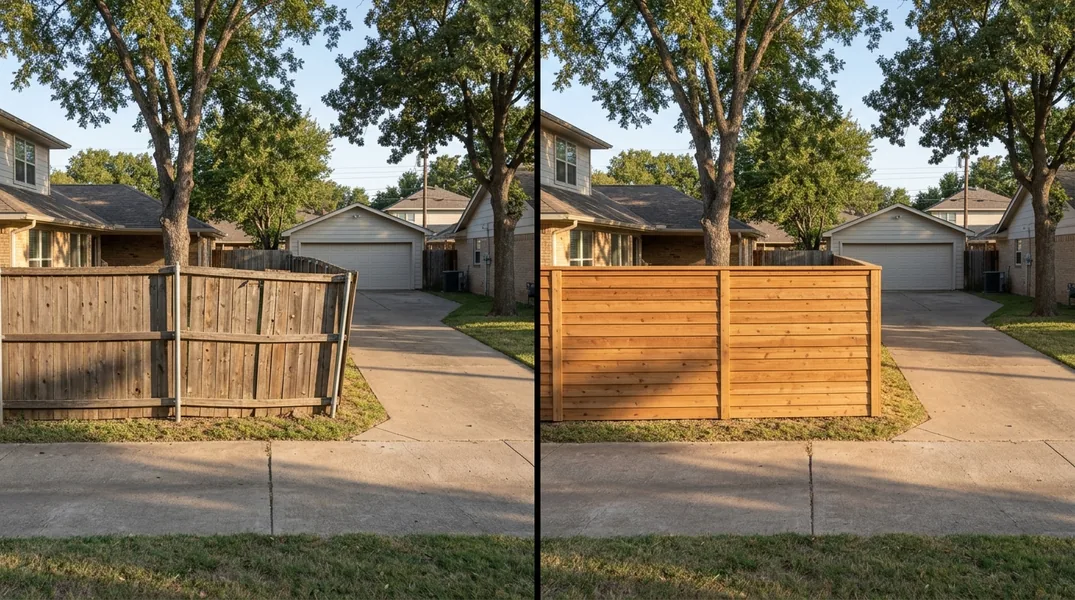
Spring Storm Season in Dallas: Understanding the Threat to Your Fence
Every spring, Dallas homeowners brace for severe weather. Between March and May, the region experiences some of the most damaging thunderstorms in the country, bringing hail, straight-line winds, and occasional tornadoes. While many people focus on protecting their homes and vehicles, few consider the impact these storms have on their fences. Yet your fence is often the first line of defense against weather damage, and it frequently bears the brunt of spring's fury.
Hail can dent, crack, and splinter fence materials, while straight-line winds (known as derechos when severe) can topple entire sections of fencing. The combination of these two weather events creates a perfect storm for fence damage. If your property is protected by a Wood & Privacy Fence Installation, vinyl, or chain link fencing, understanding how these materials respond to spring storms is essential for timely repairs and maintenance.
How Hail Damage Affects Different Fence Materials
Hail damage varies depending on the type of fencing material protecting your property. Wood fences, while beautiful and popular in Dallas, are particularly vulnerable to hail. Large hailstones can split wood planks, create deep gouges, and compromise the structural integrity of fence posts. Once the protective finish is damaged, water penetrates the wood, leading to rot, warping, and accelerated deterioration. A single severe hail event can require extensive repairs or even full replacement of damaged sections.
Vinyl and PVC fencing offers better hail resistance than wood, though it's not immune to damage. Hailstones can crack or puncture vinyl panels, especially if the hail is large or the vinyl is older and more brittle. Vinyl & PVC Fence Installation has become increasingly popular because of its durability, but spring storms can still leave visible damage that compromises both appearance and longevity. Chain Link Fence Installation is the most resilient to hail, though the metal can dent and the posts can bend under extreme wind pressure combined with hail impact.
Straight-Line Winds and Fence Failure: What Homeowners Need to Know
Straight-line winds are deceptively dangerous to fences. Unlike tornadic rotation, these winds move in a straight path at extremely high speeds, sometimes exceeding 100 mph. They create uniform pressure across fence panels, and when that pressure exceeds what the fence structure can withstand, failure is sudden and complete. Posts can snap, panels can shatter or tear away from their frames, and entire sections can collapse. The damage often looks catastrophic because there's no gradual weakening; the fence simply gives way under the force.
The risk is highest for older fences or those that have already sustained weather damage. If your fence survived last year's spring storms but sustained some damage, this year's winds could be the breaking point. Posts weakened by rot, panels already cracked or split, and fasteners corroded by weather all reduce the fence's ability to withstand wind pressure. This is why regular inspection and maintenance after every severe weather event is critical. If you notice any damage after a storm, contact Dallas Fencing at (469) 737-9552 for an assessment before the next weather system arrives.
Post-Storm Inspection: Identifying Fence Damage Early
After a spring storm passes through Dallas, take time to walk your property and inspect your fence carefully. Look for obvious damage like broken boards, bent posts, or missing sections, but also check for subtle signs of compromise. Small cracks in wood can expand rapidly as temperature and moisture fluctuate. Bent posts may look stable but could fail under the next wind gust. Loose fasteners or panels that shift slightly when touched indicate structural weakness that will worsen over time.
Pay special attention to the fence line where it borders other properties, especially if you have a pool or outdoor living area. If your property includes a pool, your fence may also serve as a safety barrier, which means damage isn't just an aesthetic concern. Pool fencing must meet specific code requirements to ensure it functions as a proper safety barrier. Damaged or compromised pool fencing can violate local regulations and create liability issues. If you're unsure whether your current fence meets pool safety codes or if storm damage has compromised its integrity, a professional inspection is essential. Reach out to Dallas Fencing for a free estimate and expert guidance on repairs or replacement.
Protecting Your Fence Before Spring Storms Arrive
Proactive maintenance is the best defense against spring storm damage. Before severe weather season begins, inspect your fence thoroughly and address any existing damage. Tighten all fasteners, replace corroded bolts and brackets, and repair or replace damaged boards. If your fence is wood, consider applying a weather-resistant sealant to protect against moisture penetration. For vinyl fences, ensure all panels are properly secured to their frames and that posts are firmly set in concrete.
Trim tree branches that hang over or near your fence. In high winds, branches can break and strike the fence, or the entire branch can fall and damage panels and posts. Remove any debris or objects stored against the fence that could become projectiles during a storm. If you have a chain link fence, check the tension of the fabric and ensure all tension bands are tight. A loose chain link fence is far more susceptible to wind damage than one that's properly tensioned.
For homeowners considering new fence installation, choosing the right material matters for storm resilience. Aluminum & Ornamental Iron Fencing offers excellent wind resistance and durability. However, the best choice depends on your property, budget, and aesthetic preferences. If you're planning a new fence installation or want to discuss material options that offer better storm resistance, Dallas Fencing can help you make an informed decision based on your specific needs and local weather patterns.
When to Call a Professional: Fence Repair and Replacement in Dallas
Some fence damage can be handled with DIY repairs, but extensive storm damage warrants professional assessment. If multiple panels are damaged, posts are cracked or leaning, or the fence has shifted out of alignment, professional repair is the safest and most effective solution. Attempting to repair structural damage without proper tools, experience, and expertise can result in incomplete repairs that fail during the next storm or create safety hazards.
Dallas Fencing specializes in identifying storm damage, assessing repair feasibility, and executing professional repairs or replacement. We understand how spring weather affects different fence materials and can recommend the best approach for your situation. Whether you need minor repairs to get through the rest of spring or a complete fence replacement to ensure your property is protected, our team has the experience and expertise to deliver quality results. Call us today at (469) 737-9552 or visit our website at https://dallas-fencing.com to schedule your post-storm inspection or discuss fence replacement options. Don't wait until the next storm hits to address fence damage. Proactive maintenance and professional repairs protect your property, enhance your home's value, and ensure your family's safety.
Looking for a professional tree service in Dallas? Dallas Fencing responds fast for all your fence needs.
Get a Free Quote