Understanding Wood Fence Lifespan in Dallas
The charm of a well-maintained wood fence is unmistakable, especially in established neighborhoods like Munger Place where pre-war architecture and character lots define the streetscape. However, one of the most common questions homeowners in Dallas ask is simple but important: how long does a wood fence last? The answer depends on several factors, including wood type, climate exposure, maintenance habits, and the quality of the original installation.
In the Dallas climate, a properly installed and maintained wood fence typically lasts between 15 to 20 years. Some premium wood species and well-cared-for installations have been known to reach 25 years or beyond. However, the Texas heat, occasional freeze cycles, humidity, and intense UV exposure can accelerate wood degradation if the fence isn't sealed or stained regularly. The clay soil common in many Dallas neighborhoods, including Munger Place, also affects drainage around fence posts, which can lead to rot if not properly managed during installation.
Signs You Need a New Fence: When Repair Isn't Enough
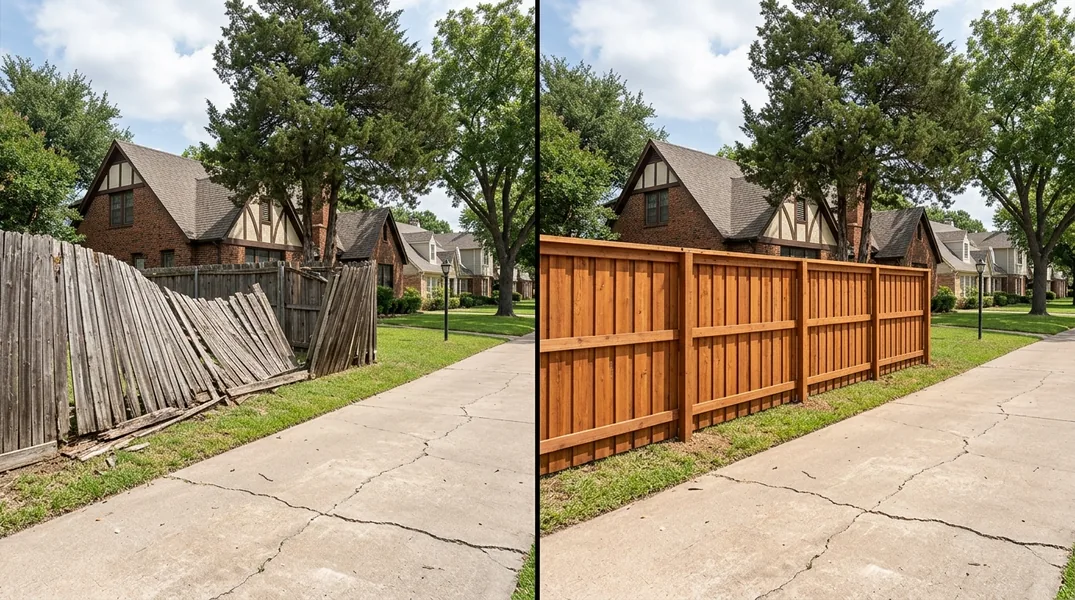
Knowing the Wood & Privacy Fence Installation signs you need a new fence can save you money and headaches down the road. Early detection of fence problems allows you to plan for replacement before safety or aesthetic issues become severe. The most obvious sign is visible rot, which appears as soft, discolored wood that crumbles or splinters easily. If you press a screwdriver into a fence board and it sinks in without resistance, that's a red flag that structural integrity has been compromised.
Leaning or wobbly sections indicate that posts have shifted or rotted below ground level. This is particularly common in areas with heavy clay soil, where poor drainage and frost heave can destabilize the foundation. Widespread pest damage from termites or carpenter ants is another serious concern that often signals the need for replacement rather than repair. Large gaps between boards, missing sections, or extensive splitting and warping also suggest that the fence has reached the end of its serviceable life. If you're noticing these issues affecting more than 30 percent of your fence line, replacement is usually more cost-effective than piecemeal repairs.
Fence Lifespan Factors: What Affects Your Investment
Several variables influence how long your fence will actually last. Wood species choice is paramount. Cedar and redwood are naturally rot-resistant and can last longer than treated pine or spruce, though they come at a higher initial cost. The quality of the wood treatment matters too. Pressure-treated lumber with proper chemical retention can extend lifespan significantly compared to untreated wood. Installation quality is equally critical. Posts that aren't set deep enough, aren't surrounded by proper gravel or concrete, or are installed in poorly draining soil will fail faster regardless of wood quality.
Maintenance is perhaps the single most controllable factor in fence longevity. Homeowners who stain or seal their wood fences every 2 to 3 years see dramatically longer lifespans than those who neglect maintenance. Regular inspections for early signs of rot, pest damage, or weathering allow you to address problems before they spread. Proper drainage around fence posts, keeping vegetation trimmed back to allow air circulation, and addressing standing water issues all contribute to a longer, healthier fence. The Dallas climate's intense summer sun also means that UV protection through quality finishes is essential for preserving the wood's structural integrity and appearance over time.
When to Replace a Fence: Making the Right Decision
The decision to replace your fence should balance practical factors with your long-term goals for your property. If your fence is approaching or has exceeded 15 to 20 years of age and you're seeing multiple signs of wear, replacement is likely the better choice than ongoing repairs. A fence that requires repairs every season is sending you a clear message that its useful life is ending. Additionally, if you're planning to stay in your home for several more years, investing in a new fence provides both functional benefits and can improve curb appeal and property value.
Consider also your neighborhood's character and your personal preferences. If you live in an area like Munger Place with distinctive architectural styles and lot configurations, a new fence installation is an opportunity to enhance your home's appeal while respecting neighborhood character. This is the perfect time to consult with professionals about whether Wood & Privacy Fence Installation remains your best choice, or whether alternative materials like Vinyl & PVC Fence Installation might better suit your maintenance preferences and budget. Getting a free estimate from experienced local contractors can help you understand your options and make an informed decision.
Wood & Privacy Fence Installation Near Me: Choosing Quality Installation
Once you've decided that replacement is necessary, the quality of your new installation directly impacts how long your fence will last. Professional installation ensures that posts are set at the correct depth, typically 2.5 to 3 feet for residential fencing, with proper concrete footings that resist frost heave and settling. The contractor should assess your soil conditions, drainage patterns, and any underground utilities before beginning work. In neighborhoods with challenging clay soil like much of Dallas, experienced installers know how to prepare sites properly to maximize fence longevity.
Dallas Fencing brings decades of local expertise to every project, understanding the specific challenges that Dallas homeowners face with soil conditions, weather patterns, and neighborhood aesthetics. Our team handles everything from site assessment to final finishing, ensuring your new fence is built to last. Whether you're in Munger Place's historic grid or another Dallas neighborhood, we can discuss your needs and help you understand the best approach for your property. Call us at (469) 737-9552 or reach out online to schedule your consultation and learn more about how we can help protect your property investment.
Maintenance Tips to Maximize Your Fence's Life
Even after you've invested in quality Wood & Privacy Fence Installation, proper maintenance is essential to reaching or exceeding the typical 15 to 20 year lifespan. Begin with a regular inspection routine, checking your fence at least twice yearly, ideally in spring and fall. Look for early signs of rot, pest activity, loose boards, or posts that have shifted. Address small problems immediately before they spread and compromise larger sections. Keep your gutters clean so water doesn't cascade onto fence lines, and trim back vegetation that grows against the fence, as trapped moisture promotes rot and creates habitat for termites and other pests.
Sealing or staining your wood fence every 2 to 3 years is the single most important maintenance task. This protects the wood from UV damage, water penetration, and weathering. In Dallas's intense summer sun, this protection is particularly valuable. If you notice areas where the finish is wearing thin or water is beading rather than running off smoothly, it's time to refinish. Clean your fence annually with a gentle pressure wash or soft-bristle brush to remove algae, mold, and dirt that can trap moisture. These relatively simple maintenance steps can add years to your fence's life and keep it looking attractive, protecting your investment and your property's curb appeal for years to come.
Looking for a professional tree service in Dallas? Dallas Fencing responds fast for all your fence needs.
Get a Free Quote